Bridging the Gap: The 2026 Revolution in Rural EV Charging
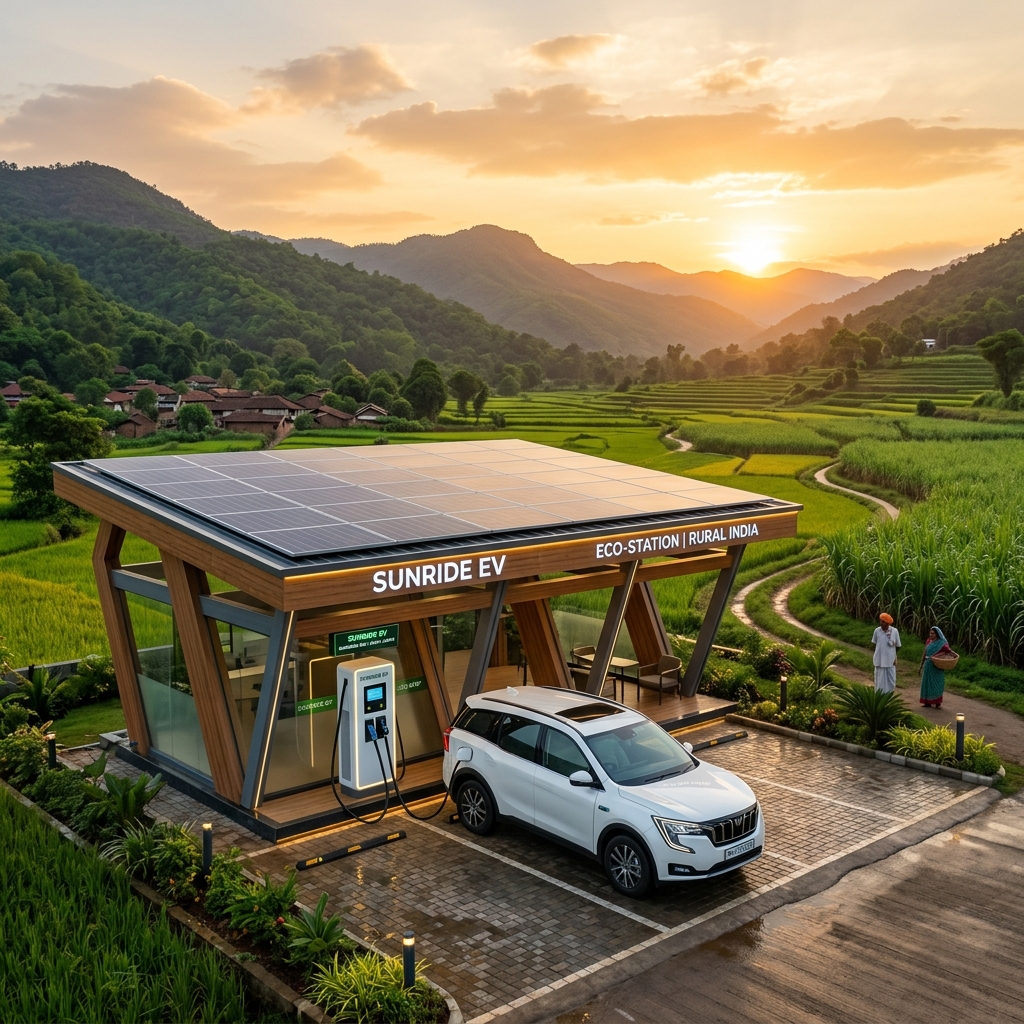
For years, the adoption of electric vehicles in India was largely a metropolitan phenomenon. However, April 2026 marks a historic turning point as the government's "Gramin Urja" initiative celebrates the deployment of its 50,000th solar-powered EV charging station in rural India.
Solar Integration: The Key to Sustainability
Unlike urban stations that rely on the central grid, these rural stations are predominantly off-grid or hybrid, utilizing India's abundant sunlight. This not only ensures 24/7 availability in areas with erratic power supply but also keeps charging costs significantly lower for farmers and rural entrepreneurs.
Impact on Local Logistics
The rise of rural charging has catalyzed the adoption of electric small commercial vehicles (SCVs) and tractors. Farmers are now transporting produce to nearby cities at nearly 1/5th the cost of diesel-powered transport, directly impacting rural incomes and reducing food inflation.
As we move further into 2026, the success of this decentralized infrastructure model is being studied globally as a blueprint for sustainable development in emerging economies.