How AI is Revolutionizing EV Battery Life in 2026
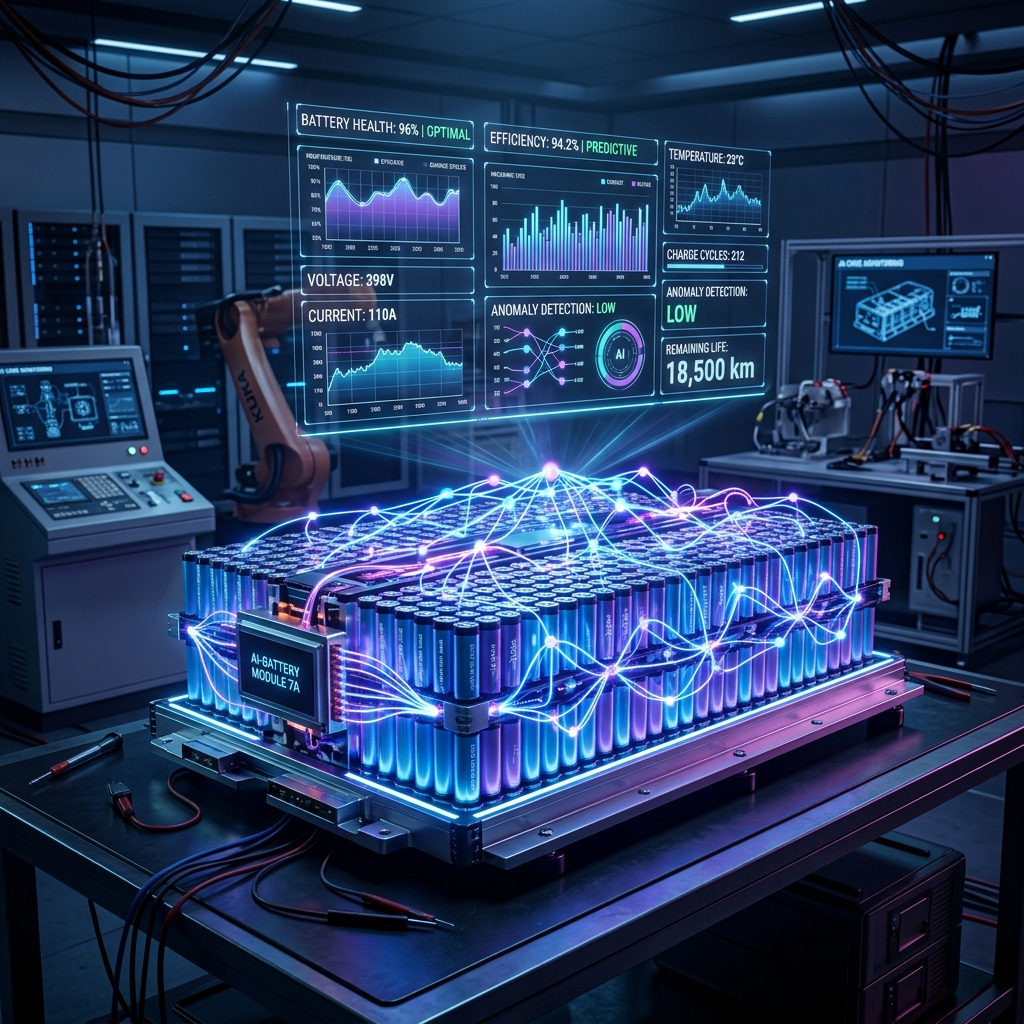
While much of the AI conversation in the automotive world focuses on autonomous driving, a quieter revolution is happening under the floorboards. In 2026, AI-driven Battery Management Systems (BMS) have become standard in mid-to-high-end EVs, fundamentally changing how batteries degrade over time.
Predictive Cell Health
Traditional BMS react to temperature and voltage changes. Modern AI systems, however, are predictive. By analyzing millions of data points across thousands of vehicles, these neural networks can predict cell degradation before it happens. The system dynamically routes power around weaker cells during high-stress situations like fast charging or rapid acceleration, significantly reducing wear and tear.
Personalized Charging Algorithms
Your EV now learns your driving and charging habits. If you typically commute 20km a day and charge overnight, the AI will limit the charge rate and cap the maximum capacity at 85% to preserve long-term health, only charging to 100% when it predicts a longer journey based on your calendar or past weekend behavior.
The result? Studies show that EVs equipped with AI BMS introduced in 2024 are exhibiting 40% less battery degradation after two years compared to standard models.